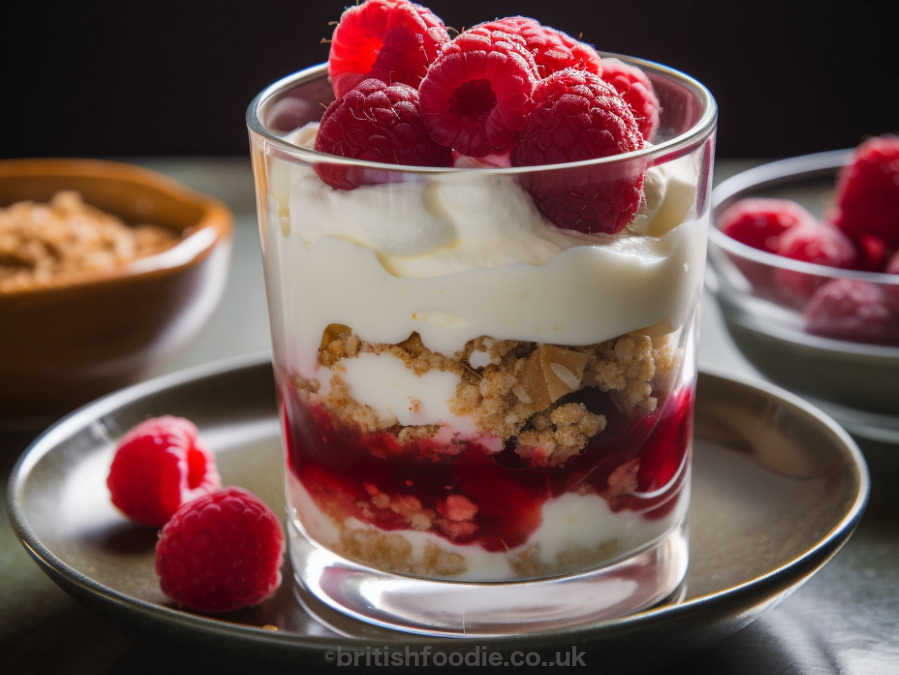
Passed down from generation to generation, British pudding recipes are a must-try for anyone unfamiliar with these particular desserts. Traditional Brit puddings are essentially steamed, baked, or boiled cakes that are very moist and take the shape of the bowl they’re cooked in. These comforting creations range from rich, sticky toffee pudding to light, fruity sponges and indulgent steamed suet puddings.
There’s a pudding for every season, mood, and occasion. They evoke warmth and a sense of nostalgia, taking you back to past holiday celebrations with Christmas pudding, Eve’s pudding, spotted dick, and figgy pudding, to name a few. In fact, in the UK, the word ‘pudding’ can mean almost anything. From savoury dishes like blood sausage or Yorkshire batter to the sweet desserts we enjoy after a meal, puddings come in many forms— showing just how versatile this beloved tradition is.
Hearty, filling, often made from meat, legumes, or batter; steamed, baked, or boiled
Sunday roasts, picnics, or traditional pub meals
Steamed & Suet Puddings
The old-school puddings evoke memories of family meals, Christmas traditions, and proper comfort food.
1
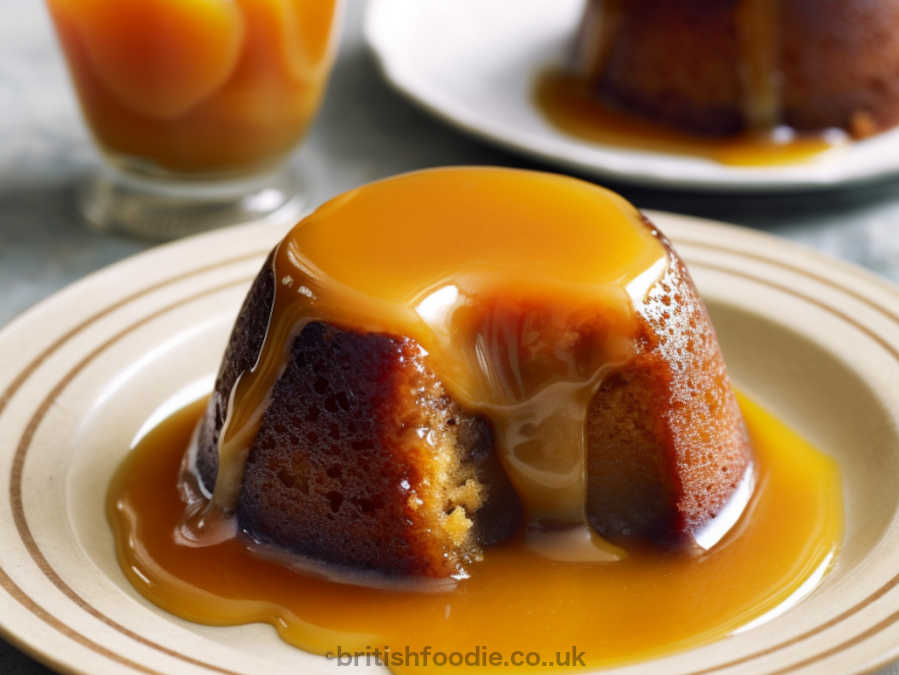
Treacle Suet Pudding with Orange Sauce
Cooking Tip: Substitute orange with lemon or add zest for extra brightness. Don’t skip the sauce — it makes this pudding sing.Seasonality: Suet is year-round, but this pudding shines in colder months.Why Readers Love It: Pure nostalgia — dense, sticky, and comforting.Fun Fact: Victorian-era classic made as a hearty dessert for working-class families.
Light, fresh, and often highlighting seasonal fruits — perfect for summer afternoons or garden parties.
2
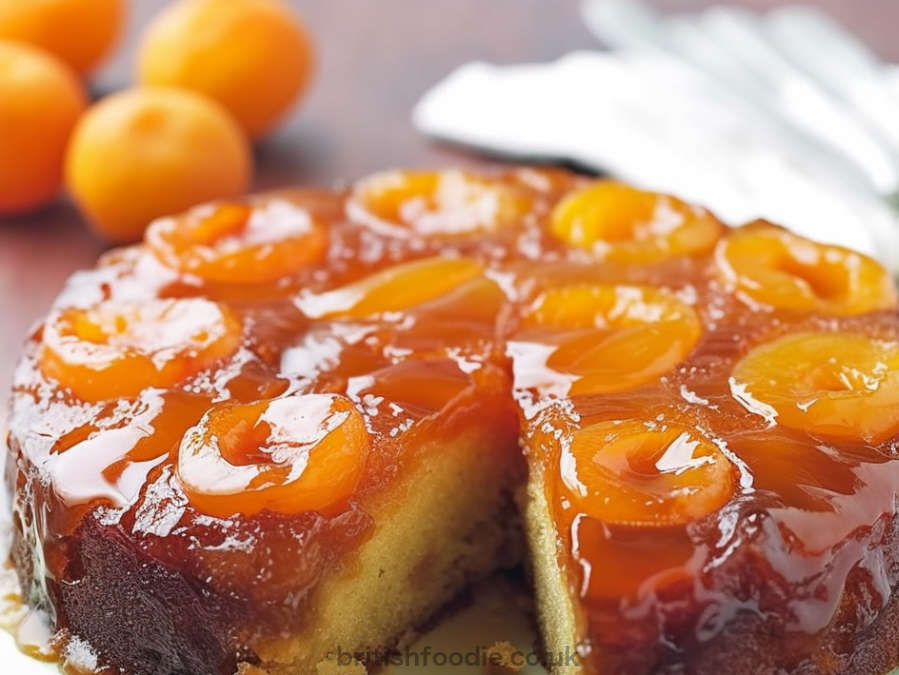
Stunning Apricot Upside-Down Pudding
Cooking Tip: Add a splash of almond extract to enhance the apricots’ flavour.Seasonality: Fresh apricots shine in summer; canned work year-round.Why Readers Love It: Beautiful presentation and deliciously caramelized fruit.Fun Fact: Upside-down puddings have a long history in British cuisine, traditionally made with seasonal fruit.
Cooking Tip: Use day-old brioche or challah for luxurious texture; let it soak in custard before baking.Seasonality: Summer: fresh apricots; winter: dried/canned.Why Readers Love It: Comforting yet elevated; a British classic with a fruity twist.Fun Fact: Originated in 18th-century Britain to use up stale bread
Cooking Tip: Line your pudding basin with the bread, then fill with the juicy mixed berries. Press gently and chill for at least 6 hours (ideally overnight) so the juices soak into the bread for maximum flavour and beautiful colour. Serve with a dollop of crème fraîche or Greek yoghurt.Seasonality: Best in summer when berries are at their peak, but frozen berries work perfectly all year round.Why Readers Love It: Light, refreshing, and bursting with berry goodness — this pudding is easy to prepare but feels elegant. It’s perfect for summer lunches, garden parties, or a cool dessert after a hearty meal.Fun Fact: Summer pudding has been a classic British dessert since the 19th century, originally a clever way to preserve seasonal berries by trapping their juice in bread. Its striking red hue and simple technique have made it a favourite for generations.
Cooking Tip: Serve warm with toffee sauce and custard or cream.Seasonality: Dates year-round; feels cosy in winter.Why Readers Love It: Perfect balance of moist sponge and rich toffee.Fun Fact: Likely originated in the Lake District in the 20th century; now a modern classic.
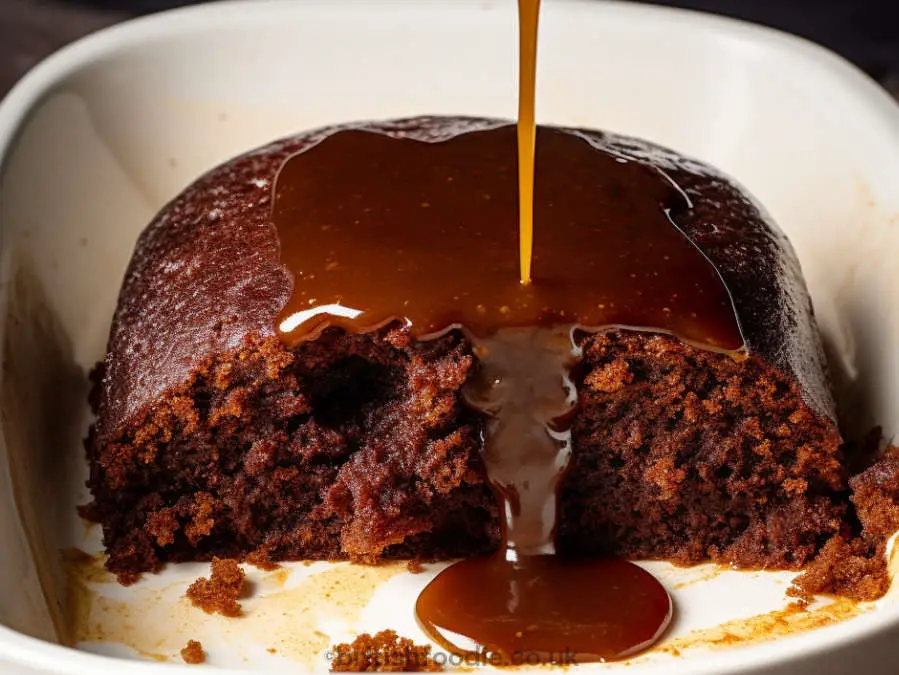
Cooking Tip: Pour chocolate sauce over batter before baking; self-saucing pudding creates its own magic.Seasonality: Year-round; extra indulgent in winter.Why Readers Love It: Gooey, lava-cake-like texture; perfect for chocolate lovers.Fun Fact: Self-saucing puddings became popular in mid-20th-century Britain for effortless indulgence.
Cooking Tip: Make a day in advance to let layers meld; sponge absorbs Drambuie syrup.Seasonality: Summer: fresh raspberries; frozen works year-round.Why Readers Love It: Scottish twist on trifle; warm, complex flavours.Fun Fact: “Laird” means landowner — dessert can make even the wealthy tipsy!
Cooking Tip: Add whisky off the heat to preserve flavour; pour over puddings or enjoy solo.Seasonality: Winter alongside puddings, summer with berries.Why Readers Love It: Silky, versatile, and luxurious.Fun Fact: Modern Scottish twist on classic French custard.
Cooking Tip: Toast oats before assembly for nutty flavour; assemble just before serving.Seasonality: August harvest traditionally,; great year-round.Why Readers Love It: Light, fresh, and elegant; creamy, crunchy, sweet, tart textures.Fun Fact: Evolved from “crowdie,” a simple Scottish cream & oats dessert.
While most people think of puddings as sweet, Britain also has hearty savoury puddings — perfect with roasts or as a snack.
10
Pease Pudding
Cooking Tip: Blend cooked yellow split peas until smooth, then season with salt, pepper, and a touch of butter for extra creaminess. Serve warm or chilled.Seasonality: Peas are freshest in early summer, but dried yellow split peas are available year-round.Why Readers Love It: A traditional British staple — hearty, flavorful, and perfect with ham, bacon, or a Sunday roast.Fun Fact: Pease pudding dates back to medieval England and was originally a way to preserve legumes for long journeys!
What’s the difference between a British pudding and a dessert?
Traditionally, puddings were steamed, boiled, or baked in a basin. Today, the term is often used interchangeably with “dessert,” though many Brits still reserve “pudding” for sweet courses after the main meal.
What’s the most popular British pudding?
Sticky Toffee Pudding consistently tops the list — a must on pub menus and holiday tables.
Do I need special equipment to make steamed puddings?
A pudding basin is ideal, but any heatproof bowl works. Steaming in a large pot with a lid is perfect.
Final Thoughts
British puddings are traditions, memories, and comfort wrapped in a bowl. From steamed suet puddings for winter, fruity sponges for summer, to Scottish trifles and custards, every recipe carries a piece of British culinary history.
I hope this collection inspires you to try something new — or revisit an old favourite. Share in the comments which pudding you baked and how it turned out!